Understanding the Basics of Gambling A Beginner's Guide
What is Gambling?
Gambling is the act of risking money or valuables on an event with an uncertain outcome, primarily driven by the desire to win additional money or prizes. It encompasses various activities, including betting on sports, playing casino games, and engaging in lotteries. The allure of gambling often lies in the potential for big payouts, the thrill of risk, and the enjoyment of competition. Many players prefer online pokies real money australia for their convenience and variety.
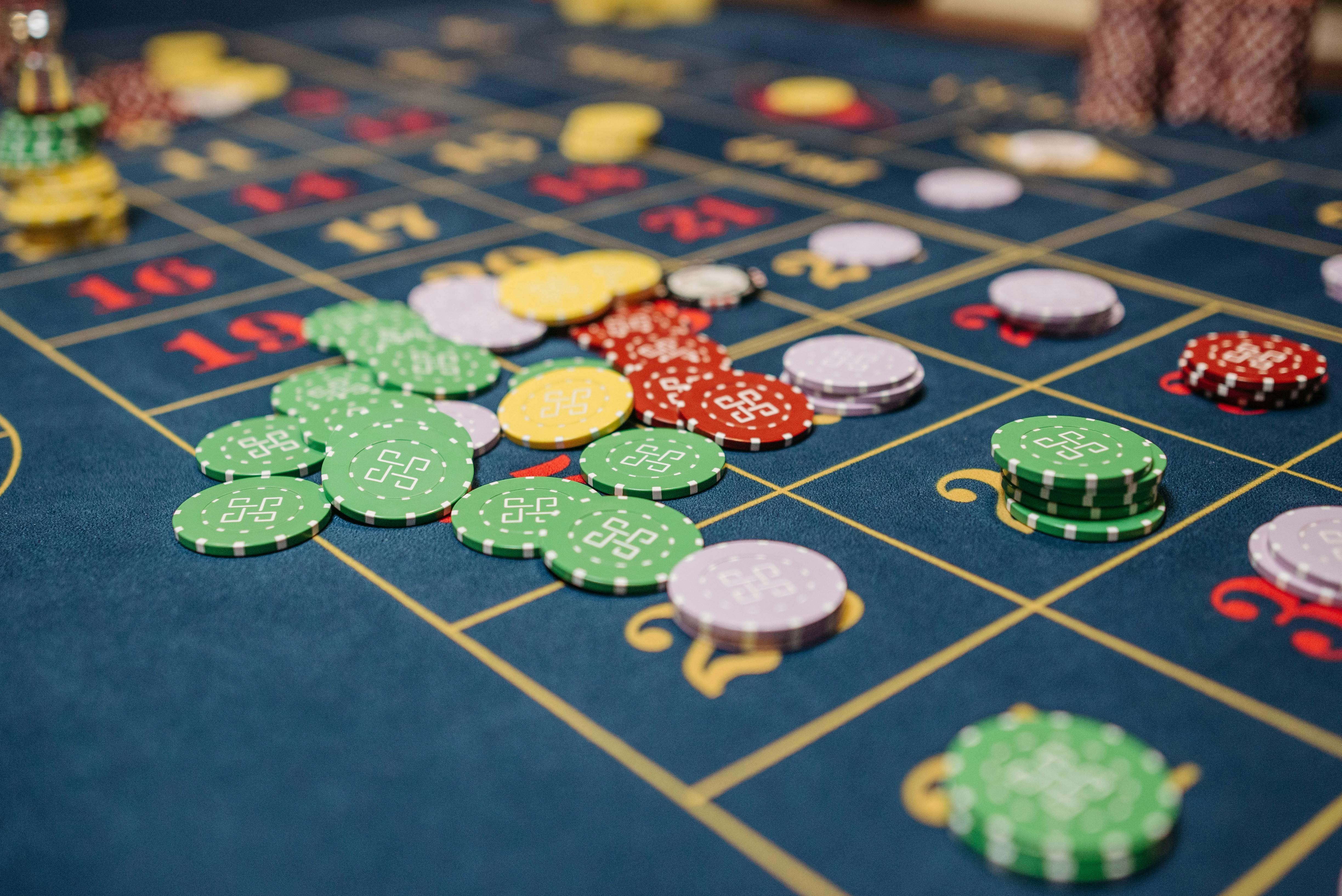
At its core, gambling is a form of entertainment. It can be enjoyed casually at home, in social settings, or in commercial establishments like casinos. Understanding the different forms of gambling is essential for newcomers, as each type has its own rules and strategies that can influence the outcome and the player’s experience.
Types of Gambling
There are several types of gambling, each appealing to different preferences. The most common forms include casino games, sports betting, poker, and lotteries. Casino games, such as slots, blackjack, and roulette, typically involve games of chance where the outcome is determined by random number generators or dice rolls.
On the other hand, sports betting allows players to wager on the outcome of sporting events, which involves both luck and knowledge of the sport. Poker combines skill and strategy, as players compete against each other rather than against the house. Lotteries, often considered the simplest form of gambling, require players to choose numbers in hopes of winning a jackpot based on random draws.
The Psychology of Gambling
The psychology behind gambling plays a significant role in why people engage in it. Many individuals are drawn by the thrill of risk and the excitement of potentially winning large amounts of money. This can lead to a range of emotions, from exhilaration to disappointment, influencing a person’s behavior and decision-making process. Advanced strategies can help experienced gamblers navigate these feelings effectively.
Additionally, the concept of “loss aversion” often plays into gambling habits. Players may continue to gamble in an attempt to recover losses, which can lead to problematic gambling behaviors. Understanding these psychological factors is vital for beginners, as it can help them make informed choices about their gambling habits and manage their risk effectively.
Strategies for Responsible Gambling
For those new to gambling, it is crucial to approach it responsibly. Setting a budget is one of the most effective strategies. Players should determine how much money they can afford to spend and stick to that limit, avoiding the temptation to chase losses. By establishing a clear budget, individuals can enjoy the thrill of gambling without the risk of financial distress.
Additionally, understanding the odds and house edge is important. Different games come with varying probabilities of winning, and being aware of these odds can help players make better decisions. Utilizing resources available for responsible gambling, such as support groups and self-exclusion tools, can also enhance a player’s experience and promote healthy habits.

Your Go-To Resource for Gambling Information
For those looking to dive deeper into the world of gambling, finding reliable sources of information is key. A comprehensive platform dedicated to gambling provides insights into various casinos, games, and strategies tailored to players of all skill levels. These resources often feature comparisons of different sites, highlighting their unique offerings, bonuses, and payment options.
Whether you’re a beginner or an experienced player, having access to credible information can enhance your understanding and enjoyment of gambling. With the right guidance, you can navigate the exciting landscape of gambling safely and responsibly, making informed choices every step of the way.